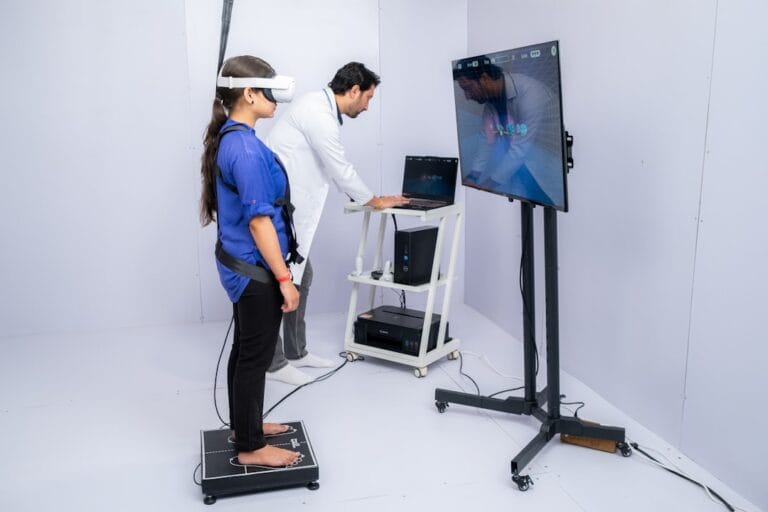
Best AI Tools for Orthopedic Surgeons 2026 | Complete Guide
Orthopedic surgery is experiencing a revolutionary transformation as artificial intelligence reshapes how surgeons diagnose, plan, and perform procedures. The best AI tools for orthopedic surgeons are now delivering unprecedented precision in imaging analysis, surgical planning, and patient outcomes prediction. From pre-operative planning to post-surgical monitoring, AI-powered solutions are becoming indispensable for modern orthopedic practices seeking to enhance accuracy and efficiency.
Why Surgeons Need AI Now
The orthopedic field faces increasing demands for precision, efficiency, and improved patient outcomes. AI-powered medical tools address these challenges by processing vast amounts of imaging data faster than humanly possible.
Modern orthopedic surgeons handle complex cases involving joint replacements, spinal procedures, and trauma reconstruction. AI tools help reduce surgical complications, optimize implant positioning, and predict patient recovery trajectories with remarkable accuracy.
The integration of AI in orthopedics isn’t just about technology adoption—it’s about delivering superior patient care. Studies show that AI-assisted surgical planning can reduce revision rates by up to 40% and improve long-term functional outcomes.
Healthcare systems are also driving AI adoption through value-based care models. Surgeons using AI tools demonstrate better quality metrics, reduced readmission rates, and improved patient satisfaction scores.
Top AI Tools for Orthopedic Surgeons
**1. CAOS (Computer-Assisted Orthopedic Surgery) by Stryker**
Stryker’s CAOS platform represents the gold standard in AI-powered surgical navigation. The system provides real-time guidance during joint replacement procedures using advanced imaging and machine learning algorithms.
Key Features:
- Real-time surgical navigation with sub-millimeter accuracy
- Pre-operative 3D planning with predictive analytics
- Integration with robotic surgical systems
- Comprehensive case database for outcome prediction
Pricing: Starting at $150,000 for the complete system, with per-case licensing fees of $200-300.
**2. OrthoGrid Systems by 7D Surgical**
This innovative platform uses machine vision AI to eliminate radiation exposure during spinal surgeries while providing superior navigation accuracy.
Key Features:
- Radiation-free navigation system
- Real-time tissue tracking
- Advanced imaging algorithms
- Seamless integration with existing OR equipment
Pricing: System cost ranges from $200,000-$250,000, with minimal per-case fees.
**3. ROSA Knee System by Zimmer Biomet**
ROSA combines robotics with AI to deliver precise knee replacement procedures. The system’s intelligent surgical planning adapts to each patient’s unique anatomy.
Key Features:
- AI-driven pre-operative planning
- Robotic-assisted surgery execution
- Real-time feedback and adjustment
- Comprehensive outcome tracking
Pricing: Approximately $1.2 million initial investment, with service contracts starting at $80,000 annually.
**4. ExcelsiusGPS by Globus Medical**
This spine surgery platform leverages AI-enhanced navigation for complex spinal procedures, offering surgeons unprecedented visualization and control.
IBM Watson Health leads the market in AI-powered medical imaging and diagnostic tools specifically designed for orthopedic applications. IBM Watson Health official site.
Key Features:
- Advanced imaging integration
- AI-powered trajectory planning
- Real-time surgical guidance
- Robotic assistance capabilities
Pricing: System costs range from $1.5-2 million, with per-case fees of $400-500.
**5. VirtaMed ArthroS Virtual Reality Trainer**
VirtaMed’s platform uses AI-powered simulation to train orthopedic surgeons in arthroscopic procedures, reducing learning curves and improving surgical skills.
Key Features:
- Realistic haptic feedback simulation
- AI-driven performance assessment
- Comprehensive procedure library
- Progress tracking and analytics
Pricing: Starting at $45,000 for basic systems, with advanced modules costing up to $120,000.
Related reading: anesthesiology AI solutions
Related reading: AI radiology tools
Related reading: general surgical AI tools
Specialized AI Applications in Orthopedics
**Image Analysis and Diagnosis**
Zebra Medical Vision and Aidoc offer AI-powered imaging analysis specifically designed for orthopedic applications. These tools can identify fractures, joint degeneration, and other pathologies with accuracy rates exceeding 95%.
Related reading: cardiology AI platforms
- Automated fracture detection
- Joint space measurement
- Bone density analysis
- Pathology classification
**Predictive Analytics**
Notable AI and Apervita provide predictive modeling for orthopedic outcomes. These platforms analyze patient data to predict surgical success rates, complication risks, and recovery timelines.
- Patient outcome prediction
- Risk stratification
- Recovery timeline forecasting
- Complication prevention
**Surgical Planning Software**
Materialise Mimics and 3D Systems VSP offer comprehensive surgical planning with AI-enhanced capabilities for complex orthopedic procedures.
- 3D anatomical modeling
- Implant sizing and positioning
- Surgical approach optimization
- Custom implant design
Key Things to Look For
**Integration Capabilities**
Choose AI tools that seamlessly integrate with your existing hospital information systems. Look for platforms supporting DICOM standards, EHR connectivity, and OR equipment compatibility.
The best solutions offer APIs and cloud-based integration options. This ensures smooth data flow between different systems and reduces workflow disruptions.
**Accuracy and Validation**
Prioritize tools with peer-reviewed validation and FDA approval. Look for systems with documented accuracy rates and clinical outcome studies published in reputable journals.
The integration of artificial intelligence in orthopedic surgery has shown remarkable growth, with diagnostic accuracy improvements of up to 94% in certain procedures. according to healthcare AI research.
Consider platforms with continuous learning capabilities that improve accuracy over time through machine learning algorithms.
**Training and Support**
Comprehensive training programs are essential for successful AI tool implementation. Look for vendors offering dedicated training modules, ongoing support, and certification programs.
The best platforms provide virtual reality training, hands-on workshops, and 24/7 technical support to ensure optimal utilization.
**Cost-Effectiveness**
Evaluate the total cost of ownership including initial investment, maintenance fees, and per-case costs. Consider the return on investment through improved outcomes, reduced complications, and increased surgical efficiency.
Look for flexible pricing models including lease options, pay-per-use arrangements, and bundled service packages.
**Data Security and Compliance**
Ensure AI tools meet HIPAA compliance standards and offer robust data security features. Look for platforms with encrypted data transmission, secure cloud storage, and audit trail capabilities.
Consider tools with on-premises deployment options if your institution has specific security requirements.
Frequently Asked Questions
**How much do AI tools for orthopedic surgery typically cost?**
AI tools for orthopedic surgery range from $45,000 for training simulators to over $2 million for comprehensive robotic systems. Most practices see ROI within 2-3 years through improved outcomes and increased case volume. Consider leasing options and per-case pricing models to manage initial investment costs.
**Are AI-assisted orthopedic surgeries covered by insurance?**
Most insurance providers cover AI-assisted orthopedic procedures when they’re medically necessary and improve patient outcomes. Medicare and major insurers increasingly recognize the value of AI-enhanced surgery. However, specific coverage varies by procedure type and insurance plan.
**How long does it take to learn AI orthopedic tools?**
Basic proficiency typically requires 20-40 hours of training, while advanced mastery takes 3-6 months of regular use. Most vendors provide comprehensive training programs including virtual reality simulation and hands-on workshops. The learning curve varies based on the surgeon’s technical background and system complexity.
**What are the main benefits of using AI in orthopedic surgery?**
AI tools in orthopedic surgery offer improved surgical accuracy, reduced complication rates, better patient outcomes, and enhanced pre-operative planning. Surgeons report increased confidence, reduced revision surgeries, and better implant positioning. Patients benefit from shorter recovery times and improved long-term functional outcomes.
Final Verdict
The landscape of AI tools for orthopedic surgeons in 2026 offers unprecedented opportunities to enhance surgical precision and patient outcomes. While the initial investment can be substantial, the long-term benefits in terms of improved accuracy, reduced complications, and enhanced patient satisfaction make these tools increasingly essential.
For practices just starting their AI journey, consider beginning with imaging analysis tools like Zebra Medical Vision or surgical planning software like Materialise Mimics. These offer excellent ROI with lower initial costs.
Established practices ready for comprehensive solutions should evaluate robotic systems like ROSA Knee or ExcelsiusGPS, which provide end-to-end AI-enhanced surgical capabilities.
The future of orthopedic surgery is undeniably intertwined with artificial intelligence. Surgeons who embrace these technologies today will be better positioned to deliver superior patient care tomorrow.