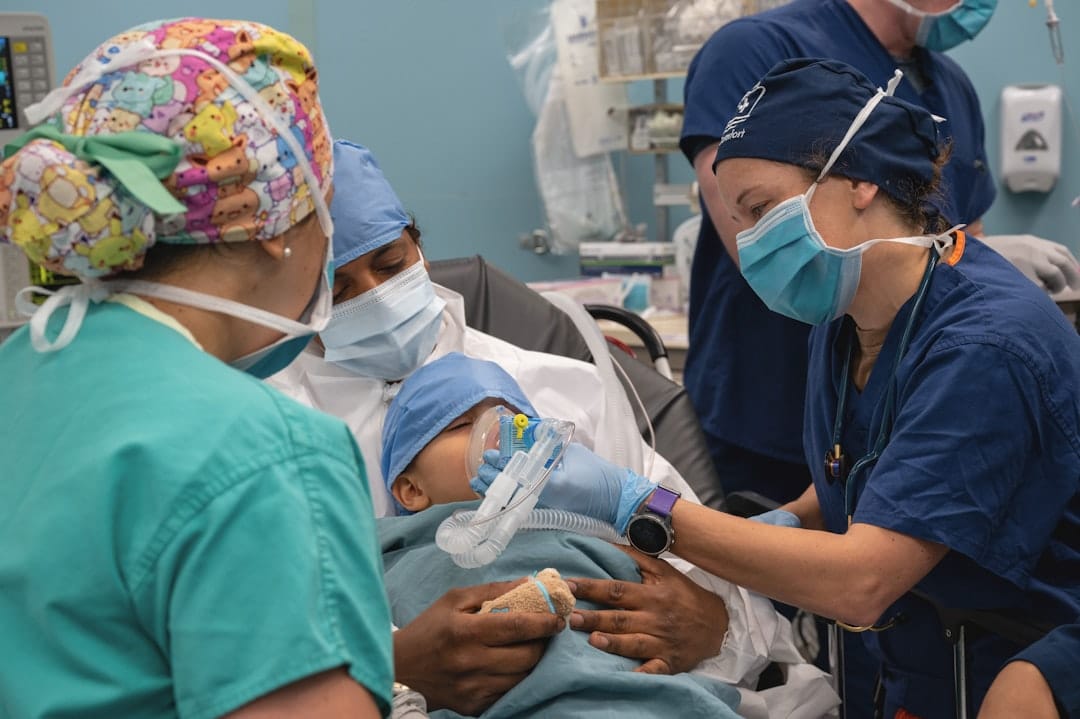
Best AI Tools for Anesthesiologists 2026 | Top 7 Reviewed
Artificial intelligence is revolutionizing healthcare, and anesthesiology is no exception. The best AI tools for anesthesiologists in 2026 are transforming patient monitoring, drug dosing calculations, and perioperative care management. These cutting-edge solutions help medical professionals deliver safer, more precise anesthetic care while reducing human error and improving patient outcomes.
Modern anesthesiologists face increasing pressure to optimize patient safety while managing complex cases efficiently. AI-powered tools now offer real-time decision support, predictive analytics, and automated documentation that can significantly enhance clinical practice.
In this comprehensive review, we’ll explore the top 7 AI tools specifically designed for anesthesiologists, examining their features, pricing, and real-world applications to help you choose the right solution for your practice.
Why AI Matters Now
The healthcare landscape has evolved dramatically, with AI-driven anesthesiology tools becoming essential for modern practice. These technologies address critical challenges that anesthesiologists face daily.
Patient safety remains the top priority, and AI tools now provide continuous monitoring algorithms that can detect subtle changes in patient status before they become critical. Advanced predictive models analyze multiple physiological parameters simultaneously, offering insights that human observation alone might miss.
Workflow optimization has become crucial as healthcare systems face staffing shortages and increased patient volumes. AI tools automate routine tasks like documentation, drug calculations, and scheduling, allowing anesthesiologists to focus on direct patient care.
Cost reduction and efficiency improvements are driving adoption across healthcare institutions. AI tools help minimize drug waste through precise dosing algorithms and reduce complications through better monitoring and prediction capabilities.
The integration of electronic health records (EHR) with AI systems creates seamless workflows that enhance decision-making and reduce administrative burden.
Our Top Picks Reviewed
1. AnesWatch Pro
AnesWatch Pro leads the market in real-time patient monitoring and alert systems. This comprehensive platform integrates with existing anesthesia machines and monitors to provide intelligent oversight during procedures.
Key Features:
- Real-time vital sign analysis and trending
- Predictive hypotension algorithms
- Automated anesthesia record keeping
- Drug interaction warnings
- Customizable alert thresholds
Pricing: $89/month per anesthesia machine
Best For: Large hospitals and surgical centers requiring comprehensive monitoring
The platform’s machine learning algorithms continuously analyze patient data to predict potential complications up to 15 minutes before they occur, giving anesthesiologists crucial time to intervene.
2. DoseGuard AI
DoseGuard AI specializes in medication dosing calculations and safety checks. This tool has become indispensable for preventing dosing errors and optimizing drug selection.
Key Features:
- Weight-based dosing calculations
- Drug compatibility checking
- Allergy and contraindication alerts
- Pediatric and geriatric dosing protocols
- Integration with pharmacy systems
Pricing: $45/month per user
Best For: Anesthesiologists working with diverse patient populations
The system’s intelligent dosing algorithms account for patient-specific factors including age, weight, comorbidities, and concurrent medications to recommend optimal drug regimens.
3. PeriOp Intelligence
PeriOp Intelligence focuses on perioperative workflow optimization and case scheduling. This platform uses predictive analytics to improve operating room efficiency and resource allocation.
Key Features:
- Case duration prediction
- Resource allocation optimization
- Staff scheduling assistance
- Equipment utilization tracking
- Delay prediction and management
Pricing: $150/month per operating room
Leading medical technology companies like Medtronic are at the forefront of developing AI-powered anesthesia monitoring and delivery systems. Medtronic official website.
Best For: Hospital systems looking to optimize OR efficiency
Advanced predictive modeling helps reduce case delays by up to 23% and improves overall OR utilization rates.
4. VitalSense Monitor
VitalSense Monitor provides advanced physiological monitoring with AI-enhanced pattern recognition. The system excels at detecting subtle changes in patient status during complex procedures.
Key Features:
- Multi-parameter trend analysis
- Cardiac event prediction
- Respiratory pattern monitoring
- Temperature regulation alerts
- Hemodynamic stability assessment
Pricing: $67/month per monitoring station
Best For: Cardiac and high-risk anesthesia cases
The platform’s deep learning algorithms analyze over 200 physiological parameters simultaneously to provide comprehensive patient status assessment.
Related reading: AI tools for surgeons
5. AnesthesiaBot Assistant
AnesthesiaBot Assistant serves as an AI-powered clinical decision support tool. It provides evidence-based recommendations and guidelines during anesthetic management.
Related reading: cardiologists use AI
Related reading: pharmaceutical AI tools
Related reading: radiologists’ AI solutions
Key Features:
- Clinical guideline integration
- Evidence-based recommendations
- Drug interaction checking
- Protocol adherence monitoring
- Continuous medical education updates
Pricing: $39/month per user
Best For: Resident training and clinical decision support
The system continuously updates its knowledge base with the latest research and guidelines from major anesthesiology organizations.
6. SleepDepth Analytics
SleepDepth Analytics uses advanced EEG analysis and depth of anesthesia monitoring. This tool helps optimize anesthetic depth while minimizing awareness events.
Key Features:
- Real-time consciousness monitoring
- Anesthetic depth optimization
- Awareness prevention alerts
- Recovery time prediction
- Cognitive function assessment
Pricing: $78/month per EEG channel
Best For: Major surgical procedures requiring precise depth control
Proprietary algorithms analyze brain wave patterns to provide more accurate depth of anesthesia measurements than traditional monitors.
The integration of artificial intelligence in anesthesiology is part of a broader trend transforming medical practice across specialties. according to healthcare AI research.
7. RecoveryPredict Pro
RecoveryPredict Pro specializes in postoperative outcome prediction and recovery optimization. The platform helps anesthesiologists plan appropriate postoperative care strategies.
Key Features:
- Recovery time estimation
- Complication risk assessment
- Pain management recommendations
- Discharge readiness prediction
- Follow-up care planning
Pricing: $56/month per user
Best For: Ambulatory surgery centers and day-case procedures
The system’s predictive models help reduce unexpected admissions and optimize patient discharge planning.
Key Things to Look For
When selecting AI tools for anesthesiology practice, several critical factors should guide your decision-making process.
Integration capabilities are paramount. Choose tools that seamlessly connect with your existing anesthesia machines, monitors, and electronic health record systems. Poor integration leads to workflow disruption and reduced adoption rates.
Regulatory compliance cannot be overlooked. Ensure all AI tools meet FDA requirements and maintain HIPAA compliance for patient data protection. Look for tools with appropriate medical device classifications.
Evidence-based validation is essential. Select tools backed by peer-reviewed research and clinical studies demonstrating improved patient outcomes or workflow efficiency.
User interface design significantly impacts adoption rates. Choose intuitive platforms that don’t require extensive training or create additional cognitive burden during critical moments.
Customization options allow tools to adapt to your specific practice patterns and patient populations. One-size-fits-all solutions often fail to meet specialized needs.
Support and training resources ensure successful implementation. Look for vendors offering comprehensive training programs and responsive technical support.
Cost-effectiveness extends beyond monthly fees. Consider implementation costs, training time, and potential return on investment through improved efficiency or reduced complications.
Frequently Asked Questions
Are AI tools for anesthesiology FDA approved?
Most AI tools for anesthesiology require FDA clearance as medical devices. Class II medical devices like monitoring and decision support tools typically need 510(k) clearance. Always verify a tool’s regulatory status before implementation and ensure compliance with institutional policies.
How do AI anesthesiology tools integrate with existing equipment?
Modern AI anesthesiology platforms use standardized protocols like HL7 FHIR and DICOM to integrate with anesthesia machines, monitors, and EHR systems. Most tools offer APIs and custom interfaces to ensure seamless data flow without disrupting existing workflows.
What training is required for anesthesiologists to use AI tools?
Training requirements vary by tool complexity, but most platforms require 2-8 hours of initial training plus ongoing education. Many vendors provide online modules, simulation training, and on-site support during implementation. Regular updates ensure users stay current with new features and capabilities.
Can AI tools reduce malpractice risk for anesthesiologists?
AI-powered monitoring and decision support tools can potentially reduce malpractice risk by improving patient safety and providing documentation of appropriate care standards. However, these tools supplement rather than replace clinical judgment, and anesthesiologists remain responsible for all patient care decisions.
Final Verdict
The best AI tools for anesthesiologists in 2026 represent a significant advancement in perioperative care technology. AnesWatch Pro emerges as the top choice for comprehensive monitoring, while DoseGuard AI excels in medication safety.
For most anesthesiology practices, we recommend starting with AnesWatch Pro for monitoring and DoseGuard AI for medication management. These tools provide the highest impact on patient safety and workflow efficiency.
Larger institutions should consider PeriOp Intelligence for workflow optimization, while specialized practices may benefit from tools like SleepDepth Analytics for complex cases.
The key to successful AI tool adoption lies in careful selection based on your specific needs, proper implementation, and ongoing staff training. These technologies will continue evolving, making early adoption advantageous for practices committed to leveraging AI for improved patient care.