Best AI Tools for Dentists 2026 – Complete Guide
The dental industry is experiencing a digital revolution, and AI tools for dentists are leading the charge. From diagnostic assistance to practice management, artificial intelligence is transforming how dental professionals deliver patient care and run their practices in 2026.
Modern dental practices that embrace AI technology are seeing improved diagnostic accuracy, streamlined workflows, and enhanced patient satisfaction. Whether you’re a solo practitioner or managing a multi-location practice, the right AI tools can give you a significant competitive edge while improving patient outcomes.
Why AI Tools for Dentists Matter in 2026
The healthcare landscape has shifted dramatically, and dental practices must adapt or risk falling behind. AI-powered dental tools offer unprecedented opportunities to enhance clinical decision-making and operational efficiency.
Patient expectations have evolved significantly. Today’s patients expect personalized treatment plans, accurate diagnoses, and seamless digital experiences. AI tools help dentists meet these expectations while reducing the administrative burden that often leads to burnout.
Diagnostic accuracy has improved dramatically with AI assistance. Studies show that AI-powered imaging analysis can detect early-stage cavities and periodontal disease with up to 95% accuracy, often catching issues that might be missed during routine examinations.
Cost efficiency is another compelling factor. While the initial investment in AI tools may seem substantial, practices typically see ROI within 12-18 months through improved efficiency, reduced errors, and increased patient retention.
Best AI Tools for Dental Practices in 2026
Diagnostic and Imaging AI Tools
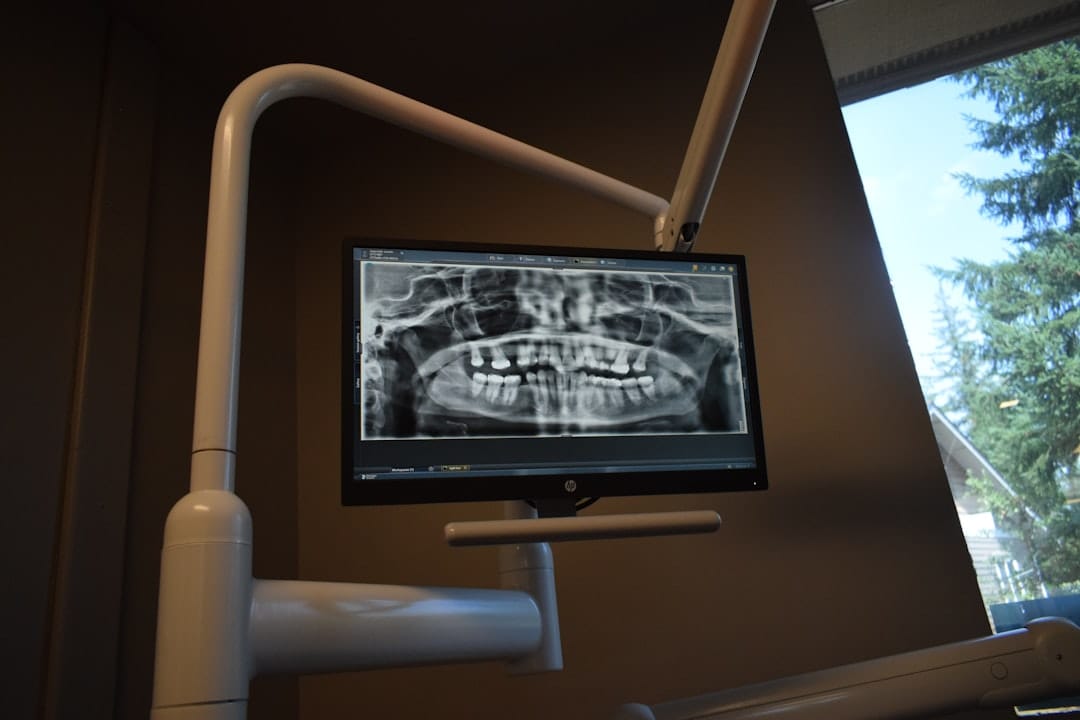
Pearl Second Opinion leads the diagnostic AI space with its FDA-cleared pathology detection system. This tool analyzes radiographs in real-time, identifying cavities, bone loss, and other pathological conditions.
• Pricing: $99/month per provider
• Key features: Real-time analysis, FDA approval, integration with major practice management systems
• Best for: General dentists seeking diagnostic support
Dental Monitoring revolutionizes orthodontic care through AI-powered remote monitoring. Patients use a smartphone app to capture oral photos, which AI analyzes for treatment progress.
• Pricing: $95/month per active patient
• Key features: Remote monitoring, automated alerts, patient engagement tools
• Best for: Orthodontists and practices offering clear aligner therapy
VideaHealth offers comprehensive AI analysis for dental radiographs, detecting over 20 different pathologies with remarkable precision.
• Pricing: Custom pricing starting at $150/month
• Key features: Multi-pathology detection, detailed reporting, seamless PACS integration
• Best for: Large practices and specialists requiring comprehensive analysis
Practice Management AI Solutions
Lighthouse 360 combines AI-driven patient communication with comprehensive practice analytics. Their system automatically sends appointment reminders, follow-ups, and review requests.
Related reading: reduce practice costs with AI
Related reading: improving patient experience with AI
Related reading: AI tools for therapists
Related reading: AI tools for veterinarians
• Pricing: $299/month for basic plan
For comprehensive practice management with AI-powered features, many dental professionals turn to established solutions like Dentrix. Dentrix official website.
• Key features: Automated patient communication, analytics dashboard, reputation management
• Best for: Practices focused on patient retention and growth
RevenueWell uses machine learning to optimize patient scheduling and identify revenue opportunities within your existing patient base.
• Pricing: $247/month for core features
• Key features: Intelligent scheduling, treatment plan tracking, automated recalls
• Best for: Practices wanting to maximize revenue from current patients
Treatment Planning AI Tools
Overjet provides AI-powered treatment planning assistance, analyzing X-rays to suggest optimal treatment sequences and predict outcomes.
• Pricing: $129/month per provider
• Key features: Treatment planning suggestions, outcome prediction, insurance claim support
• Best for: General dentists seeking comprehensive treatment planning support
SmileCloud offers AI-driven smile design and treatment visualization, helping patients understand proposed treatments through realistic 3D renderings.
• Pricing: $89/month for individual practitioners
• Key features: 3D smile design, patient education tools, treatment acceptance tracking
• Best for: Cosmetic dentists and practices focusing on aesthetic treatments
Patient Communication AI Platforms
Dental Intelligence leverages AI to analyze practice data and provide actionable insights for improving patient communication and treatment acceptance.
• Pricing: $399/month for comprehensive package
• Key features: Predictive analytics, automated patient outreach, performance dashboards
• Best for: Data-driven practices seeking comprehensive insights
PracticeMojo uses AI to optimize patient communication timing and content, significantly improving appointment attendance and treatment acceptance rates.
The integration of artificial intelligence in dental practices is part of a broader transformation happening across the healthcare industry. according to Wikipedia’s analysis of AI in healthcare.
• Pricing: $197/month for standard plan
• Key features: Smart communication timing, A/B testing, ROI tracking
• Best for: Practices struggling with no-shows and treatment acceptance
Key Things to Look For
Integration Capabilities
Your chosen AI dental tools must integrate seamlessly with your existing practice management software. Look for platforms that offer native integrations with popular systems like Dentrix, Eaglesoft, and Open Dental.
API availability is crucial for custom integrations. Ensure the AI tool provides robust APIs that allow for data synchronization and workflow automation.
Compliance and Security
HIPAA compliance is non-negotiable when selecting AI tools for your dental practice. Verify that vendors maintain proper certifications and follow healthcare data security protocols.
Data encryption both in transit and at rest should be standard. Look for tools that offer end-to-end encryption and regular security audits.
Scalability and Support
Choose AI tools that can grow with your practice. Consider whether the platform can handle multiple locations, additional providers, and increased patient volume.
Customer support quality varies significantly among AI tool providers. Prioritize vendors offering comprehensive training, ongoing support, and regular software updates.
ROI Measurement
Look for tools that provide clear metrics on performance improvement and return on investment. The best AI dental software includes built-in analytics that track key performance indicators.
Consider total cost of ownership, including training time, implementation costs, and ongoing subscription fees when evaluating ROI potential.
User Experience
The interface should be intuitive enough that your team can adopt it quickly without extensive training. Complex AI tools that require significant learning curves often fail to deliver promised benefits.
Mobile accessibility is increasingly important as dental professionals need access to AI insights on tablets and smartphones throughout the workday.
Frequently Asked Questions
How much should I expect to spend on AI tools for my dental practice?
Most dental practices invest between $300-800 monthly for a comprehensive AI tool suite. Individual tools typically range from $89-399 per month, depending on features and practice size. Consider starting with one diagnostic AI tool and gradually expanding your AI toolkit as you see results and ROI.
Are AI tools for dentists actually accurate enough to rely on?
FDA-cleared AI dental tools demonstrate accuracy rates of 90-95% for pathology detection, often exceeding human-only diagnosis in controlled studies. However, AI should supplement, not replace, clinical judgment. The most effective approach combines AI insights with professional expertise for optimal patient outcomes.
How long does it take to implement AI tools in a dental practice?
Implementation timelines vary by tool complexity and practice size. Simple communication AI tools can be operational within 1-2 weeks, while comprehensive diagnostic systems may require 4-6 weeks for full integration. Most practices see meaningful results within 60-90 days of implementation.
What training is required for dental staff to use AI tools effectively?
Modern AI dental tools are designed for ease of use, typically requiring 2-4 hours of initial training per team member. Most vendors provide online training modules, live demonstrations, and ongoing support. The key is selecting tools with intuitive interfaces that match your team’s technical comfort level.
Final Verdict
AI tools for dentists have moved from experimental technology to essential practice components in 2026. The most successful dental practices are those that strategically implement AI solutions to enhance rather than replace human expertise.
Start with diagnostic AI tools like Pearl Second Opinion or VideaHealth if clinical accuracy is your primary concern. For practices focused on growth and efficiency, begin with comprehensive platforms like Lighthouse 360 or Dental Intelligence.
The key to success lies in gradual implementation and staff buy-in. Choose one or two AI tools initially, measure their impact, and expand your AI toolkit based on proven results and practice needs.
Remember that the best AI tool is the one your team will actually use consistently. Prioritize user-friendly interfaces and comprehensive support when making your selection.